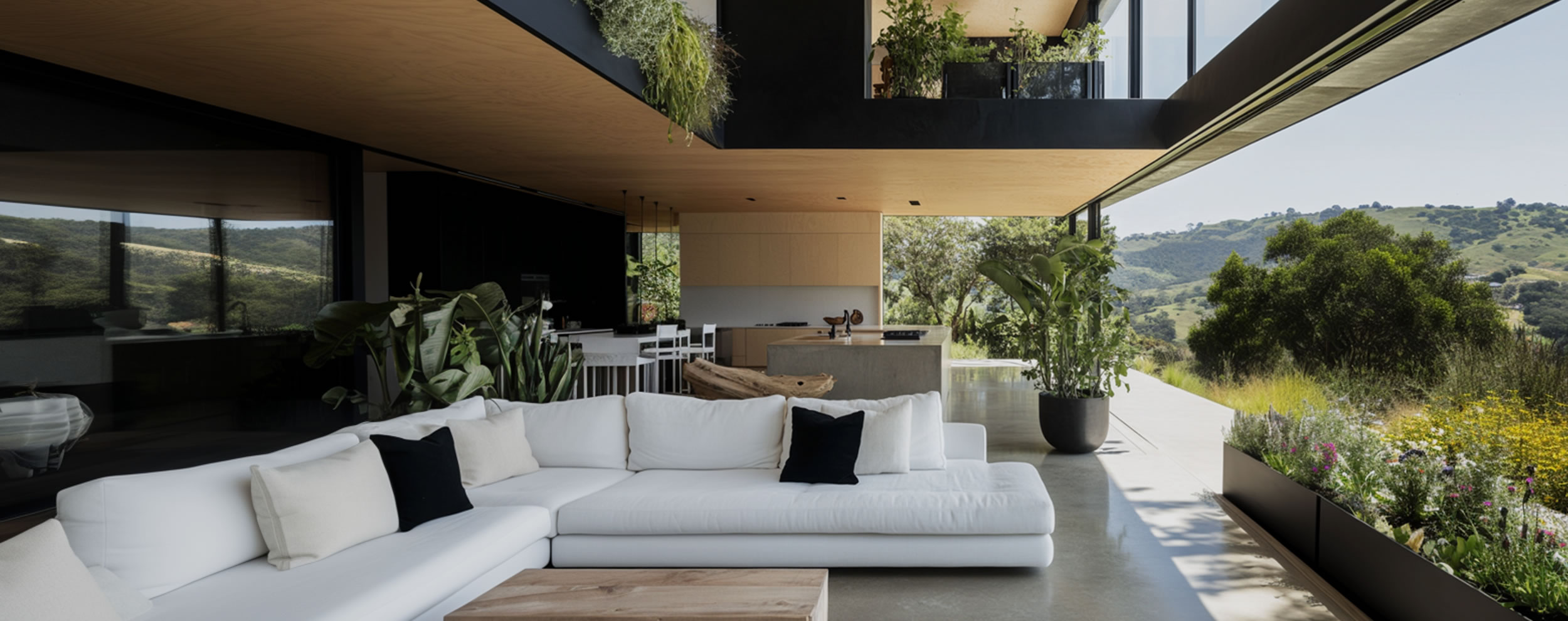
Retro aesthetics have made a remarkable comeback in contemporary home design, offering a unique blend of nostalgia and modernity. Designers are reinterpreting classic retro styles to suit the tastes and needs of today's homeowners.
One of the most prominent retro elements is the use of bold geometric patterns. In the 1960s and 70s, patterns like chevrons, hexagons, and abstract shapes were all the rage. Today, these patterns are being reimagined in fresh colors and materials. A retro - inspired living room might feature a geometric - patterned area rug in bright hues of orange, yellow, and blue, paired with a sleek, modern sofa.
Vintage - inspired furniture is also a key part of the retro revival. Mid - century modern furniture, with its clean lines, tapered legs, and organic shapes, is particularly popular. A classic Eames lounge chair and ottoman can add a touch of sophistication to any room. However, contemporary designers are putting their own spin on these pieces, using new materials and finishes. For example, a mid - century modern coffee table might be made from reclaimed wood and topped with a sheet of tempered glass for a modern twist.
Color is another area where retro aesthetics are being reinterpreted. While the original retro colors were often bright and bold, contemporary designers are using more muted and sophisticated versions. Instead of neon pink, you might see a soft blush pink. Instead of electric blue, a deep navy blue. These colors can be combined with neutral tones like white, gray, and beige to create a balanced and stylish look.
Lighting is also an important aspect of retro - contemporary design. Vintage - style pendant lights, floor lamps, and table lamps can add a warm and inviting glow to a room. Look for lights with unique shapes and finishes, such as brass or copper, to enhance the retro feel. By combining retro aesthetics with contemporary design principles, you can create a home that is both timeless and on - trend.